
Top Signs Your Restaurant Kitchen Needs Professional Deep Cleaning
Maintaining a clean kitchen is not just a regulatory requirement for restaurants—it is essential for the safety, efficiency, and reputation of any food service business. While routine cleaning can handle daily grime and spills, over time, grease, bacteria, and other contaminants accumulate in hidden corners, on equipment, and inside ventilation systems. Ignoring these hidden hazards can lead to foodborne illnesses, equipment malfunctions, and even legal liabilities, all of which can significantly impact a restaurant’s bottom line. For restaurant owners and managers, recognizing the signs that indicate the need for a professional deep cleaning is critical.
Professional deep cleaning goes beyond mopping floors or wiping countertops. It involves a comprehensive approach that targets every nook and cranny of the kitchen, including high-risk areas like ovens, fryers, hoods, vents, and refrigeration units. Restaurants that prioritize periodic deep cleaning not only ensure compliance with health regulations but also enhance operational efficiency, extend the lifespan of kitchen equipment, and maintain a safe working environment for staff. In this article, we will explore the top signs that indicate your restaurant kitchen is due for a professional deep cleaning, provide actionable insights, and explain why timely intervention is essential for maintaining a hygienic and profitable kitchen.
1. Persistent Grease Buildup on Surfaces
Visible Residue on Cooking Equipment
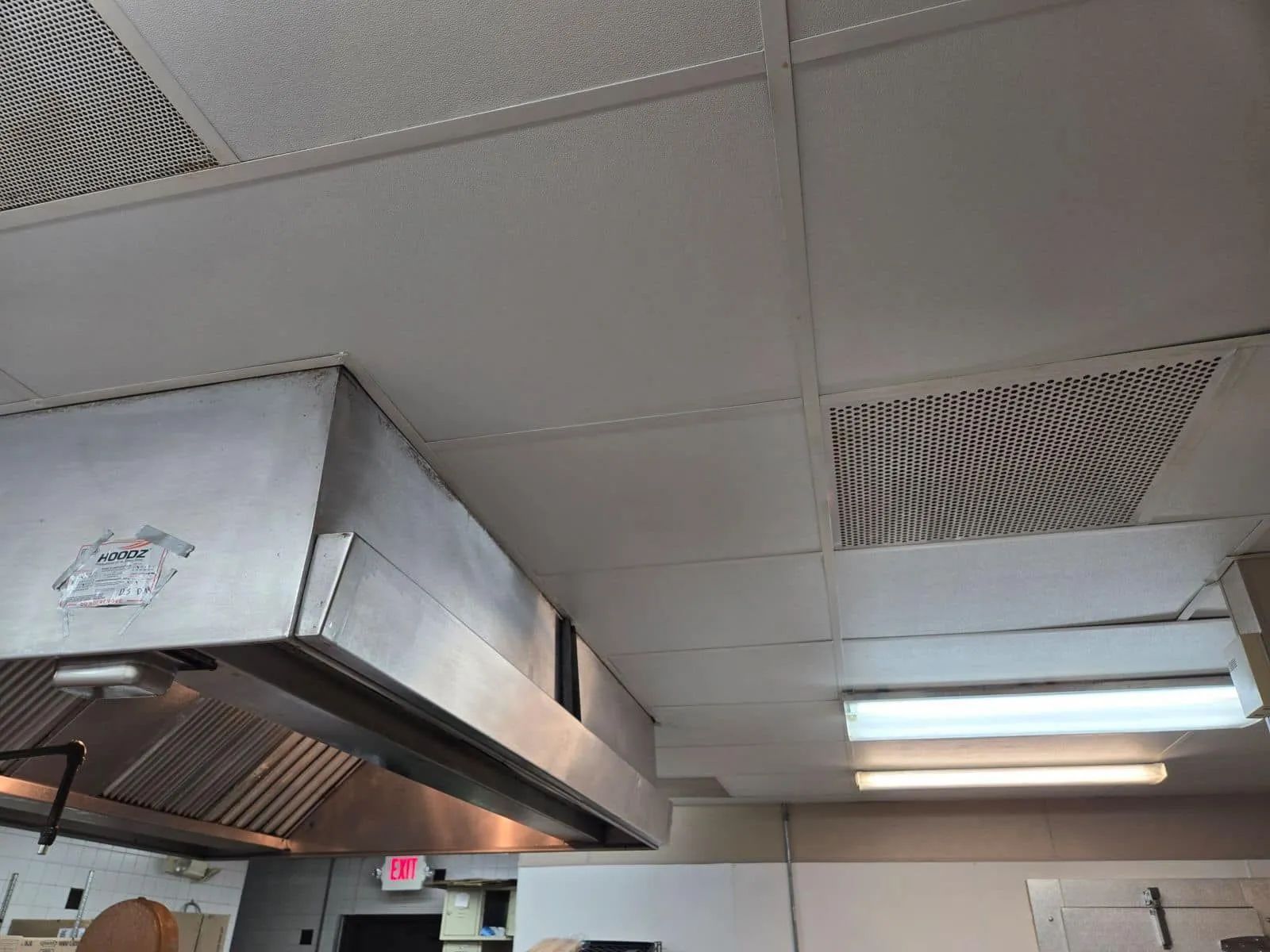
One of the most obvious indicators that your kitchen needs a deep cleaning is persistent grease buildup. Over time, grease accumulates on ovens, fryers, stovetops, and even behind cooking equipment, creating layers that are difficult to remove. This residue is not just unsightly—it can become a serious fire hazard if left untreated. Professional cleaning services use industrial-grade degreasers and specialized equipment to remove this stubborn buildup efficiently, reducing the risk of accidents and maintaining a consistently hygienic cooking environment for staff and customers alike.
Grease in Hard-to-Reach Areas
Grease often hides in corners, under equipment, and in ventilation hoods where routine cleaning cannot reach effectively. This trapped grease not only attracts pests but also contributes to foul odors, reduced airflow, and decreases the efficiency of exhaust systems over time. A professional deep cleaning ensures these hidden areas are thoroughly addressed, preventing long-term maintenance issues and maintaining consistent kitchen hygiene standards across all operational areas.
Real-World Example
For instance, a restaurant in St. Louis noticed smoke lingering near its cooking stations, despite daily cleaning routines being performed. A professional deep cleaning revealed layers of grease inside the hood and ductwork, which were significantly reducing airflow and creating a potential fire hazard. Addressing the issue promptly helped the restaurant prevent a serious accident, improve kitchen air quality, and ensure a safer cooking environment for employees.
2. Lingering Odors Despite Routine Cleaning
Unpleasant Smells from Drains and Floors
Foul or lingering odors are a major red flag that deeper cleaning is needed immediately. Drains, floor mats, and kitchen corners can harbor bacteria, mold, and trapped food particles, creating smells that regular mopping or surface cleaning simply cannot eliminate. Professional cleaners use targeted cleaning agents and advanced techniques to sanitize these areas thoroughly, removing the source of odors at its root and ensuring a fresher, healthier kitchen environment for everyone inside.
Hidden Contaminants in Ventilation Systems
Kitchen ventilation systems can trap grease, smoke, and airborne particles over extended periods, contributing to a persistent smell throughout the restaurant facility. If your dining area carries a noticeable kitchen odor, it may indicate that the ventilation ducts require professional attention immediately. Deep cleaning of these systems improves air quality, reduces fire risk, and enhances the overall dining experience for guests and staff alike.
Expert Insight
Professional kitchen cleaners emphasize that odor issues often indicate microbial growth or decaying organic matter in hard-to-reach areas, which can worsen over time. By addressing these problems early, restaurants can prevent costly health code violations, create a more inviting atmosphere for patrons, and maintain consistent operational standards throughout the kitchen environment.
3. Increased Pest Activity
Preventive Measures Through Professional Cleaning
Routine cleaning often misses hidden crevices, wall voids, and spaces behind equipment where pests thrive and reproduce. Professional deep cleaning targets these critical areas, applying methods and techniques that make the environment far less hospitable to pests. This proactive approach not only enhances overall hygiene but also reduces the likelihood of infestations that can harm a restaurant’s reputation and lead to expensive health code penalties.
Case Scenario
A mid-sized restaurant in Kansas City reported seeing ants near food prep stations, despite daily cleaning efforts. A deep cleaning uncovered grease and food debris under the prep counters and behind the refrigerator that had been missed during routine cleaning. Once professionally cleaned, the pest activity significantly decreased, highlighting the importance of thorough, systematic cleaning for long-term pest prevention and operational efficiency.
4. Equipment Performance Decline
Reduced Efficiency of Kitchen Appliances
When kitchen equipment like ovens, fryers, and refrigeration units show signs of reduced performance, it may indicate internal grease, residue, or mineral buildup inside critical components. Such inefficiencies lead to higher energy costs, longer cooking times, and uneven food preparation, affecting overall kitchen productivity. Professional deep cleaning ensures that equipment operates optimally, extending its lifespan and maintaining consistent food quality while reducing operational downtime and repair expenses significantly.
Potential Equipment Failures
Neglecting internal cleaning can result in equipment breakdowns, which are both costly and disruptive to restaurant operations during peak service hours. For example, clogged ventilation systems or greasy hood filters can cause fryers to overheat or exhaust systems to fail unexpectedly. Professional cleaners not only remove grease and debris but also inspect the condition of critical equipment, preventing unexpected breakdowns and maintaining smooth kitchen operations without interruptions.
Expert Recommendation
Commercial kitchen experts advise scheduling deep cleaning at regular intervals to maintain peak equipment performance, efficiency, and safety. This preventive strategy reduces long-term maintenance costs, improves equipment longevity, and helps restaurants avoid expensive emergency repairs that could disrupt daily operations during the busiest hours.
5. Compliance and Health Inspection Risks
Failing Health Inspections
Health inspections are a crucial motivator for professional deep cleaning and hygiene compliance. Repeated warnings for dirty hoods, clogged drains, or unclean floors can lead to fines, temporary closures, or permanent damage to a restaurant’s reputation. A deep cleaning ensures that even hidden areas meet or exceed regulatory standards, making inspections less stressful, more predictable, and significantly improving overall food safety compliance.
Meeting Food Safety Standards
Professional cleaners are trained to address microbial contamination, grease buildup, and cross-contamination risks that may go unnoticed during routine cleaning. These services ensure that kitchens comply with local and national food safety regulations, protecting both customers and staff while maintaining operational excellence. Regular deep cleaning demonstrates a restaurant’s commitment to hygiene, responsible food handling practices, and long-term operational sustainability.
Best Practices
Experts recommend creating a comprehensive cleaning schedule that includes daily, weekly, and monthly tasks, supplemented by professional deep cleaning at least twice a year—or more frequently for high-volume kitchens. This approach minimizes the risk of inspection failures, supports consistent regulatory compliance, and cultivates a culture of safety, accountability, and high hygiene standards.
6. Staff Health Concerns and Productivity Issues
Employee Sickness and Absenteeism
An unclean kitchen can directly affect staff health and productivity significantly. Excessive grease, mold, bacteria, and poor air quality contribute to respiratory issues, skin infections, and gastrointestinal problems among employees. Staff absenteeism due to illness can disrupt kitchen operations and negatively impact customer service. Professional deep cleaning removes hidden health hazards, creating a safer workplace and reducing the likelihood of staff-related disruptions and operational delays.
Enhanced Staff Efficiency
A clean, organized kitchen allows staff to work more efficiently, reducing the time spent navigating cluttered or unhygienic workspaces unnecessarily. By ensuring that equipment, floors, and prep areas are fully sanitized and functional, deep cleaning improves workflow, minimizes mistakes, and enhances overall employee morale, contributing to higher productivity and better service outcomes.
Real-World Insight
In a high-volume diner in Springfield, Missouri, employees frequently complained of sinus irritation and fatigue due to poor air quality. Upon conducting a professional deep cleaning, accumulated grease and mold in the ventilation system were removed, immediately improving air quality and staff comfort. The restaurant observed higher efficiency, lower absentee rates, and overall better workplace satisfaction post-cleaning.
Proven Professionals Transforming Kitchens Into Safe Workspaces
Professional deep cleaning is more than a routine maintenance task—it is a critical component of a safe, efficient, and profitable restaurant operation. Signs such as persistent grease buildup, lingering odors, increased pest activity, declining equipment performance, compliance risks, and staff health issues signal that a kitchen needs more than daily cleaning routines. Addressing these concerns promptly not only enhances food safety and operational efficiency but also strengthens customer trust and restaurant reputation.
At Ceiling Clean International Inc., we bring 45
years of expertise in
professional deep kitchen cleaning across Missouri and the Midwest. Our team understands the unique challenges commercial kitchens face, from grease-laden hoods to hidden contaminants in vents and behind equipment. With a commitment to thoroughness, advanced cleaning techniques, and industry-leading standards, we help restaurants maintain impeccable hygiene, comply with regulations, and create a safe working environment. Trust our experience to protect your staff, your patrons, and the long-term success of your business.