
Exhaust Hood and Vents Coated in Grease? Why Buildup Up There Is the Real Hazard
Heat and agitation reach what chemistry alone can't
You're closing out the line for the night, wiping down the flat top, and you glance up at the hood. The stainless surface has that dull, tacky sheen it always gets a few weeks after the last cleaning, and the filters look about the same as usual. Nothing about it seems urgent. Nobody's called it out on the last few walk-throughs, the smoke pulls out fine, and the kitchen still smells like dinner service instead of the fryer. So it stays on next month's list, then the month after that.
That's the part worth stopping on.
Quick Answer:
Grease that coats an exhaust hood and its vent system is not a surface stain, it is fuel accumulating inside a duct that runs straight through your building. NFPA 96, the national fire code standard covering commercial cooking exhaust systems, treats that buildup as a measurable fire hazard with its own inspection schedule and cleaning trigger, and most jurisdictions enforce it through the local fire marshal. Left alone, grease-laden vapor keeps condensing on hood, plenum, duct, and fan surfaces that a wipe-down never reaches, which is why professional cleaning to bare metal, not routine maintenance, is what actually resets the risk.
What's Actually Coating That Hood
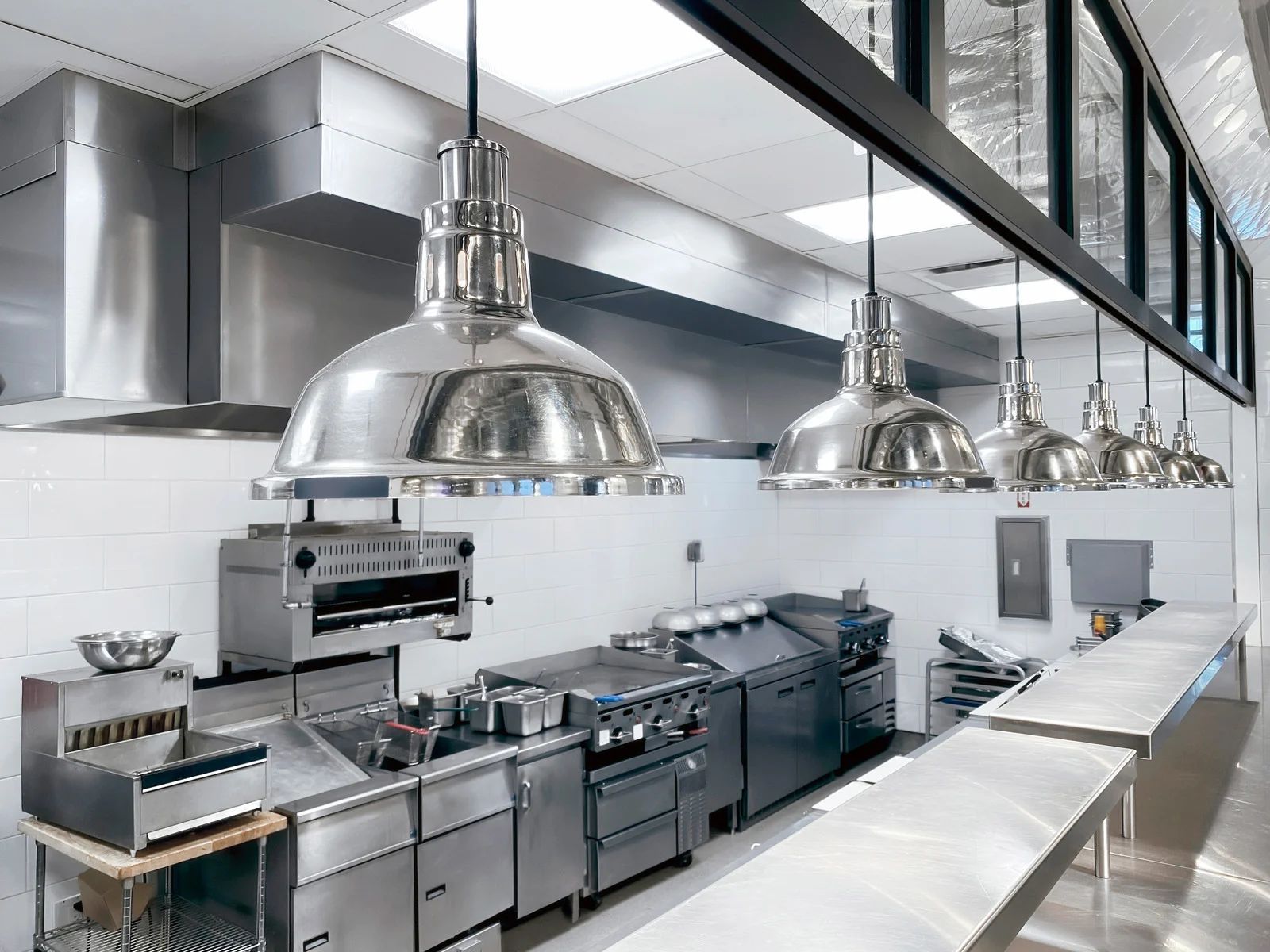
The grease on a hood surface is only the part that missed the filters. Every time food hits the grill, flattop, fryer, or wok burner, rising heat carries droplets and vapor upward. Some gets caught; the rest travels on, cooling and condensing deeper into the system.
That condensed layer builds slowly and unevenly. A busy Friday rush adds more than a quiet Tuesday lunch, and a char-broiler or wok station loads faster than a griddle. Over weeks an invisible film turns sticky, then hardens into a varnish clinging to duct walls and fan blades.
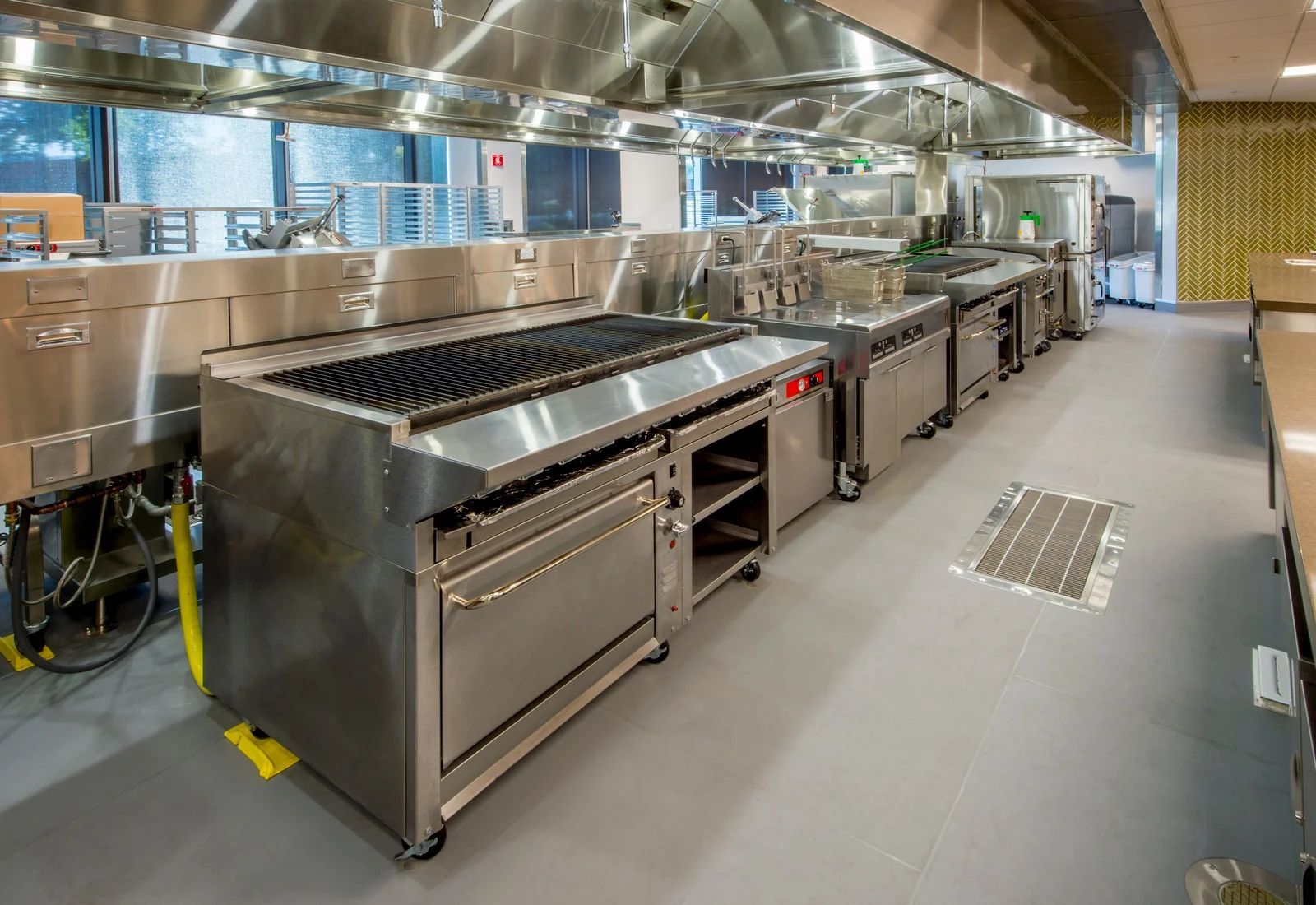
The visible hood is the smallest part of the problem. From the cookline you see the hood surface and maybe the filters. The plenum behind them, the ductwork running through the ceiling or wall, and the rooftop fan all collect grease unseen from the floor.
Why This Is a Fire Hazard, Not a Housekeeping Issue
Grease is a combustible material, whether it's sitting in a fryer or clinging inside a duct three floors up. The difference is that grease inside an exhaust system sits exactly where heat, sparks, and hot vapor already travel every service. That positioning is what makes accumulated exhaust grease one of the leading contributors to commercial kitchen fires.
A hood fire doesn't need an open flame to start. A cookline flare-up, equipment running too hot, or heat rising from a char-broiler can ignite grease built up along a duct wall. Once that happens, the fire has a ready-made chimney, carrying flame upward through ceiling cavities and shafts far faster than a fire confined to the cooking equipment itself.
NFPA 96 was written to prevent exactly this. It ties inspection frequency to how a kitchen cooks: monthly for solid-fuel, quarterly for high-volume, semiannually for moderate sit-down service, and annually for low-volume kitchens. It also sets a cleaning trigger once grease reaches roughly the thickness of a sheet of paper, deliberately tight so the system stays below it at all times.
Most fire codes adopted across Missouri and the Midwest incorporate NFPA 96 as their baseline for commercial cooking exhaust systems, which is why a fire marshal walking through your kitchen isn't applying a vague preference. They're checking against a specific, documented standard.
Why Routine Wipe-Downs Never Catch It
Kitchen staff can keep a hood surface looking presentable with a rag and degreaser between professional visits, and that's worth doing. It is not the same thing as addressing what's accumulating inside the system. A few reasons that gap exists:
Filters Aren't The Whole System
Staff can pull filters and run them through the dish pit, which matters and should happen often. But filters only catch what passes directly through them. Grease that condenses in the plenum behind the filters, or further up the duct run, was never going to hit a filter in the first place.
The Duct Interior Isn't Reachable From The Kitchen
Ductwork usually runs through a ceiling cavity, a wall chase, or straight up to a rooftop fan, sealed behind access panels that aren't part of anyone's nightly closing checklist. A crew can degrease every visible surface in the kitchen and never touch a foot of that duct run.
The Exhaust Fan Sits Somewhere Nobody Walks Past
The fan housing, blades, and motor area at the top of the system are usually on the roof, and they're often the single highest-risk point in the whole exhaust path because grease collects there while the fan itself runs hot. A rooftop fan doesn't get checked during a floor mop.
Surface Cleaning Doesn't Reach Bare Metal
A wipe-down removes what's loose and visible. A grease layer that's been baking under kitchen heat for weeks bonds to metal in a way a rag and spray bottle isn't built to strip. What's left behind keeps building on top of what didn't come off.
Put together, this is why a kitchen can look clean, pass a casual glance, and still be carrying a serious hazard inside a system nobody in the building can see into.
Tip: If your filters look clean at the end of a shift but the hood surface behind them still feels tacky within a day or two of being wiped, that's usually a sign grease is bypassing the filters rather than getting caught by them, which points to airflow or filter-fit issues worth having a professional look at.
What Health and Fire Inspectors Are Actually Looking For
A health inspection and a fire marshal visit aren't identical, but hood grease surfaces in both. The health inspector checks whether it's a contamination risk dripping onto food. The fire marshal reads the exhaust as fire protection equipment, checking the service label and cleaning interval.
Both inspections lean on the same underlying reality. An exhaust system cleaned on a schedule matched to how the kitchen actually cooks looks different, top to bottom, from one getting by on filter swaps and hood wipe-downs. Inspectors who do this daily can tell quickly.
Documentation matters as much as the cleaning. A completed service brings a dated label and a written report covering what was cleaned, which areas weren't accessible, and who did the work. Inspectors ask for it first, and insurers want it on file after any fire.
What a Professional Cleaning Actually Involves
A thorough exhaust cleaning doesn't stop at the parts you can see. It follows the same path the grease-laden vapor does, from the cooking surface up through the entire system:
Filters Come Out First
Grease filters are removed, cleaned or replaced if damaged, and checked for proper fit, since a filter that doesn't seat correctly lets vapor bypass it entirely.
The Plenum Gets Stripped To Bare Metal
This is the collection area directly behind the filters, where grease accumulates in volume, and it's one of the areas a wipe-down from kitchen level simply cannot reach.
Ductwork Is Cleaned Through Access Points Along Its Full Run
The goal is bare metal on the interior duct surface, not a surface pass, with any areas that couldn't be reached documented and explained.
The Exhaust Fan Is Pulled, Cleaned, And Inspected
Blades, housing, and the motor area get degreased, since a fan running with grease-loaded blades is both a fire risk and a mechanical failure waiting to happen.
The System Is Put Back Together Correctly
Access panels are resealed, dampers repositioned, and everything restored to normal operating condition before the crew leaves.
That last step matters more than it sounds. A cleaning that leaves access panels loose or skips resealing isn't finished, regardless of how clean the interior looks.
What Happens if Buildup Gets Ignored Too Long
Warning:
A hood system that's visibly dripping grease, showing pooling at the filters, or leaving a haze in the kitchen even with the exhaust fan running should be treated as an active hazard, not a maintenance item to schedule around convenience. That combination points to a system well past its cleaning trigger, and it's the pattern fire marshals cite most often when they order a kitchen to stop cooking on an affected line until the system is corrected.
Building the Right Cleaning Schedule for Your Kitchen
Light Fixtures and the Sanitation Case Nobody Talks About
Heat and agitation reach what chemistry alone can't
Frequently Asked Questions
How can I tell if my exhaust system is overdue for cleaning without climbing into the ductwork myself?
Watch for reduced airflow at the hood, a surface that turns tacky a day after wiping, grease pooling near the filters, or haze lingering while the fan runs. Any of those warrants a professional inspection.
Does keeping the filters clean mean the rest of the system is probably fine?
No. Clean filters only handle vapor passing directly through them. Grease condensing in the plenum, duct interior, or exhaust fan accumulates independently of filter condition, so the deeper system needs its own inspection and cleaning.
Who determines how often my exhaust system needs professional cleaning?
Your actual cooking volume and fuel type set the frequency under NFPA 96, not preference. Solid-fuel and high-volume operations need more attention than a moderate sit-down kitchen, and your local fire marshal has final say.
Can I have just the visible hood surface cleaned and skip the ductwork and fan?
That leaves the areas carrying the heaviest grease load untouched, since the plenum, duct interior, and fan are where a wipe-down never reaches. Skipping those sections addresses only appearance, never the actual fire hazard itself.
What documentation should I keep after a hood cleaning?
A dated service label on the hood and a written report noting what was cleaned, what wasn't accessible, and who did the work. Keep it on-site, since inspectors and insurers ask to see it first.
Does grease buildup in the exhaust system affect anything besides fire risk?
Yes. A narrowing duct strains the exhaust fan and lets smoke, heat, and odor linger instead of clearing out. Overhead grease can also drip onto prep surfaces below, a concern health inspectors actively watch for.
Don't Let the Buildup Set the Timeline
Ceiling Clean International Inc.
handles that whole path, cleaning hoods, plenums, ductwork, and
exhaust fans
down to bare metal and building a documented schedule around your kitchen's real cooking volume. Jim and Carson Hackney have run that program across St. Louis, St. Charles, Kansas City, and the wider Midwest for 45years, so the label and report are ready before an inspector asks. Reach out for an inspection now, while the timeline is still yours to set rather than a fire's.