
What to Expect When You Schedule a Professional Kitchen Deep Clean?
A commercial kitchen runs hard. Every service, every shift, and every rush hour leaves behind layers of grease, carbon buildup, food residue, and airborne particles that settle into surfaces most cleaning routines never reach. Standard nightly cleaning handles the visible mess, but it does not address what accumulates inside exhaust hoods, beneath equipment, behind fryers, and along ceiling tiles over weeks and months of continuous operation.
Professional kitchen deep cleaning exists specifically for what routine maintenance cannot resolve. It restores kitchen surfaces to a sanitized baseline, removes fire hazards embedded in grease-laden ductwork, and brings the space into alignment with health department expectations. For any facility handling food service at volume, understanding what a professional deep clean actually involves makes the difference between scheduling it with confidence and postponing it out of uncertainty. This guide walks through exactly what happens from the moment you book the service to the moment the crew leaves your kitchen ready for the next service.
What a Professional Deep Clean Actually Covers
Beyond Surface Wiping
The most common misconception about a professional kitchen deep clean is that it mirrors what an in-house crew does on an extended schedule. It does not. A professional service operates with specialized equipment, chemical-grade degreasers, and trained technicians who follow a structured process designed to reach areas that normal cleaning never contacts.
A thorough deep clean addresses:
| Area | What Gets Cleaned |
|---|---|
| Exhaust hood and filters | Grease accumulation, carbon deposits, duct interiors |
| Cooking equipment surfaces | Fryers, ranges, griddles, ovens, broilers |
| Walls and backsplashes | Grease film, food splatter, residue behind equipment |
| Floors and floor drains | Built-up grease, debris, and biofilm in drain lines |
| Ceiling tiles and vents | Grease-laden particulate and discoloration |
| Refrigeration coils and gaskets | Dust buildup, mold risk areas, seal integrity |
| Shelving and storage units | Food debris, condensation residue |
Each of these areas carries its own risk profile. Grease in ductwork is a documented fire hazard. Biofilm in floor drains can harbor bacteria and create odor problems. Refrigeration coils clogged with dust force units to overwork and can compromise food safety temperatures.
The Scheduling and Preparation Process
What Happens Before the Crew Arrives
When you schedule a professional kitchen deep clean, the process begins well before any technician walks through the door. A reputable provider will conduct an intake to understand your kitchen's layout, equipment inventory, current cleaning frequency, and any specific problem areas you have identified.
Before the scheduled date, your kitchen will need to be prepared:
Food in open containers should be covered or removed from the work area. Equipment that can be moved should be accessible. Any floor mats that obstruct drain access should be pulled back or removed. Staff should be informed so the kitchen can be made available for the duration of the service.
Most deep cleans are scheduled during off-hours, early morning before service, or over a closed day to avoid any disruption to food preparation. A professional provider will communicate the expected duration based on kitchen size and the scope of work identified during intake.
What Information to Have Ready
When booking, be prepared to share the square footage of your kitchen, the type of cooking equipment in use, the last time a professional deep clean was performed, and whether you have noticed any specific issues such as drain odors, hood discoloration, or equipment underperforming.
What Happens During the Service
- The Step-by-Step Process:-
A structured deep clean follows a logical sequence to avoid cross-contamination and ensure no surface is missed. While the exact order can vary based on kitchen layout and service scope, the general progression looks like this:
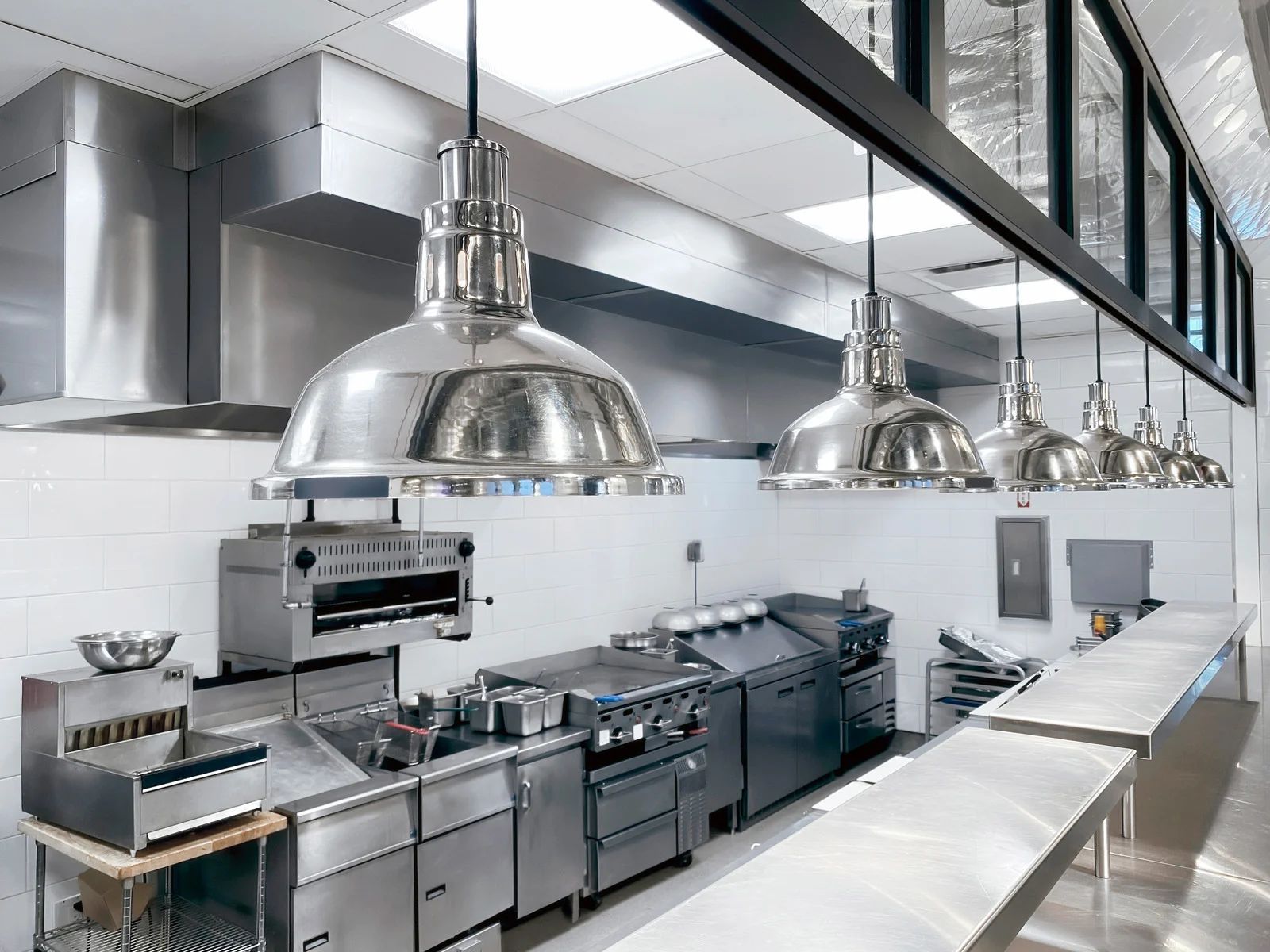
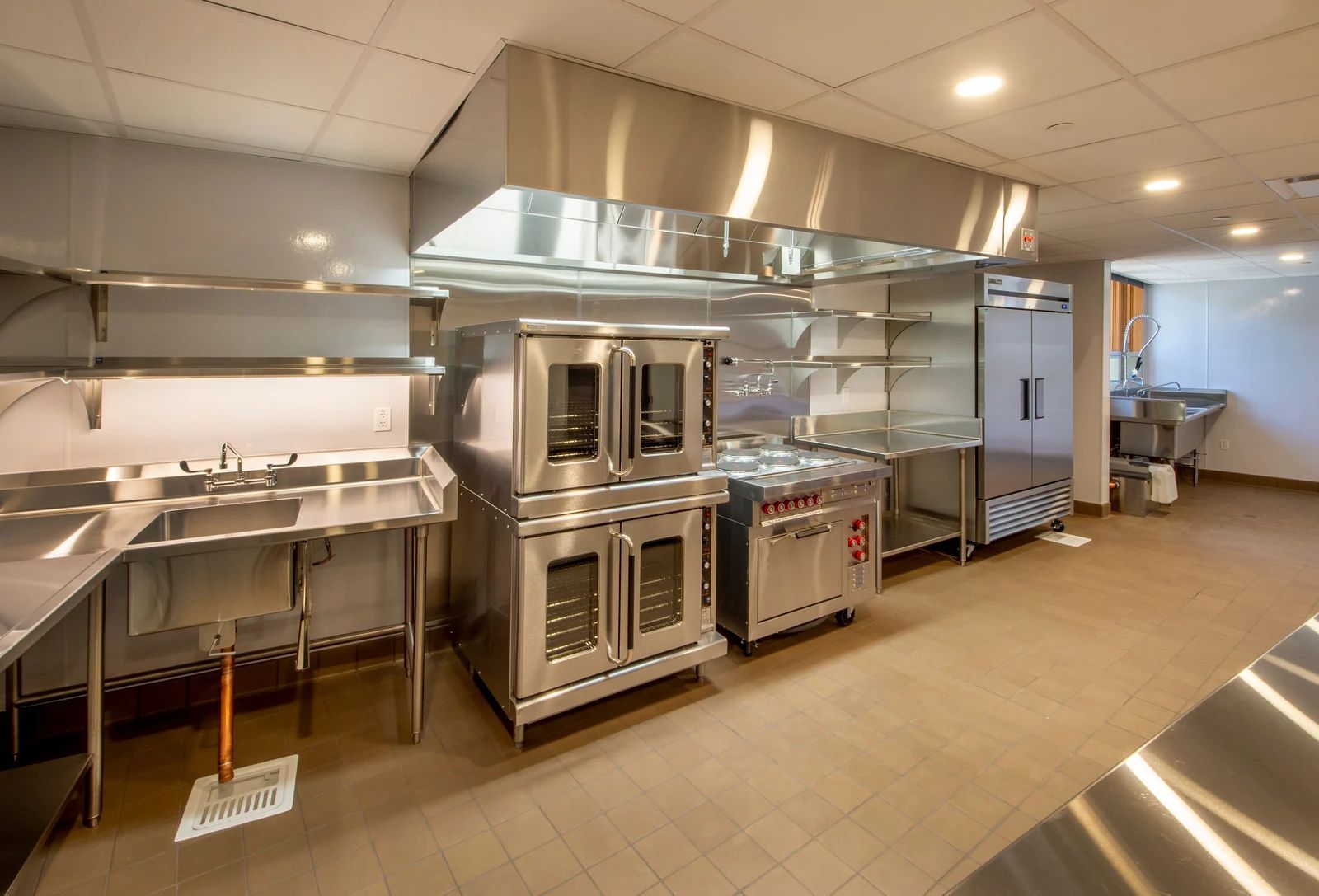
The technicians begin with the exhaust system, including the hood canopy, filters, and accessible ductwork. This is addressed first because grease removal in this area produces runoff and residue that would otherwise land on surfaces cleaned later. Filters are removed, soaked, and scrubbed. Hood interiors are degreased, scraped, and wiped to bare metal where required.
From there, the focus moves to cooking equipment. Fryers are drained and cleaned internally. Griddle surfaces are stripped of carbon. Oven interiors are treated with appropriate degreasers and wiped out. Range grates and burner caps are cleaned separately.
Walls, backsplashes, and the surfaces behind and beneath equipment receive attention next. This is where a significant amount of hidden buildup tends to live, particularly in the gap between the back of a fryer and the wall, or beneath heavy equipment that rarely gets moved.
Floor drains are flushed and treated. Floors are degreased and scrubbed. Ceiling tiles and ventilation covers, often ignored in standard cleaning, are wiped or replaced based on condition.
The process concludes with a walkthrough where the technician reviews the completed work with the facility manager, noting any areas of concern, any equipment showing wear or potential maintenance issues, and confirming that the kitchen meets the agreed scope.
Health Code Compliance and Documentation
Why Records Matter
How Often Should a Commercial Kitchen Be Deep Cleaned?
Frequency depends on the volume of cooking, the type of food being prepared, and local code requirements. As a general framework:
High-volume operations such as fast food, high-output restaurants, and institutional cafeterias typically require a full deep clean every 30 to 90 days.
Mid-volume operations such as casual dining restaurants and hotel kitchens generally fall in the 90-to-180-day range.
Lower-volume operations such as seasonal facilities, small cafes, or office kitchens may schedule annually or semi-annually, depending on what local code specifies.
Any kitchen that has recently expanded its hours, changed its menu to include more high-grease cooking, or noticed visible buildup should move its schedule forward regardless of where it falls on this general scale.
Reliable Commercial Kitchen Cleaning from Seasoned Professionals
Scheduling a professional kitchen deep clean is a straightforward process when you understand what is involved. From the intake and preparation stage through the structured cleaning sequence and final documentation, a professional service addresses what routine maintenance leaves behind, brings your kitchen into compliance, and removes fire and sanitation risks that accumulate invisibly over time. The value is not only in what gets cleaned but in the documented assurance that your kitchen meets the standards your operation depends on. Whether you are setting up a recurring schedule or addressing a backlog of buildup, knowing what to expect removes the guesswork and makes the process simple to manage.
At Ceiling Clean International Inc., we have spent 45 years serving commercial kitchens, food service operations, and institutional facilities across Missouri and the wider Midwest. Our work covers exhaust hood cleaning, full kitchen deep cleaning, ceiling tile restoration, and commercial facility sanitation at a level that satisfies health department requirements and holds up under fire marshal inspection.
We understand the pressure commercial kitchens operate under and the compliance obligations that come with running a food service operation. When a kitchen calls us, we show up prepared, work around the facility's schedule, and leave the space in a condition that reflects what 45
years of focused experience produces. Facilities across Missouri and the Midwest trust us not because we promise the most but because we deliver work that stands up to scrutiny every time.
Frequently Asked Questions
1. How long does a professional kitchen deep clean take?
Most commercial kitchen deep cleans take between four and eight hours depending on kitchen size, equipment volume, and the extent of grease accumulation present at the time of service.
2. Do we need to shut down operations for the deep clean?
In most cases, yes. A full deep clean requires access to all equipment and surfaces, which means the kitchen needs to be out of active service for the duration of the appointment.
3. Is exhaust hood cleaning included in a standard deep clean?
Hood cleaning is typically included as part of a full deep clean scope, but it can also be scheduled as a standalone service when required between full cleaning cycles.
4. What certification or documentation do we receive after the service?
After every professional deep clean, we issue a written service report and place a certification sticker on the hood unit confirming the date, scope, and provider details for inspection records.
5. How do we know when our kitchen is due for a deep clean?
Visible grease buildup on hood surfaces, persistent drain odors, discolored ceiling tiles, and any upcoming health inspection are all signals that a deep clean should be scheduled without delay.