
How Our Deep Kitchen Cleaning Helps You Pass Inspections With Confidence?
Food service operations depend heavily on cleanliness, consistency, and compliance with strict hygiene regulations. Health inspectors evaluate every detail of a kitchen environment, from hidden grease buildup behind equipment to sanitation practices on food contact surfaces. Even minor oversights can lead to failed inspections, penalties, or operational disruptions that impact reputation and revenue. This makes deep kitchen cleaning an essential part of maintaining a compliant and inspection-ready facility. Strong hygiene practices also support smoother daily operations and reduce long-term maintenance challenges.
A properly executed deep cleaning process goes beyond daily surface maintenance. It targets accumulated grease, bacteria-prone zones, ventilation systems, and hard-to-reach areas that often escape routine cleaning schedules. These overlooked spaces frequently become compliance risks during official inspections. By addressing them systematically, kitchens maintain higher sanitation standards and significantly reduce the risk of violations. This also helps create a safer working environment for staff handling food preparation under continuous operational pressure.
We focus on delivering structured, deep kitchen cleaning that aligns with industry regulations and inspection criteria. Our approach is designed to create consistency, eliminate hidden hazards, and strengthen overall hygiene performance. With a methodical cleaning system, we help kitchens maintain confidence when facing health inspections. Every process is built to ensure readiness, reduce uncertainty, and support long-term operational compliance in demanding food service environments where standards continue to evolve. This commitment ensures measurable improvements in hygiene reliability and inspection outcomes over time.
Regulatory Compliance Through Structured Deep Cleaning
Understanding Inspection Standards
Health inspections typically evaluate cleanliness, food safety practices, and sanitation controls. We align deep cleaning procedures with these standards to ensure every critical area meets or exceeds expectations. Grease accumulation, pest attraction points, and microbial hotspots are specifically targeted during cleaning cycles. Every inspection requirement is reviewed carefully so cleaning execution directly supports compliance goals, reduces risks, and strengthens overall sanitation performance across all kitchen zones consistently.
Compliance-Focused Cleaning Approach
We follow structured protocols that reflect inspection checklists. This includes degreasing kitchen hoods, sanitizing prep stations, and cleaning drainage systems. Each task is performed with compliance in mind to reduce violation risks and improve audit readiness. Detailed cleaning sequences ensure no critical step is missed, allowing kitchens to maintain consistent hygiene standards that align with regulatory expectations during both routine and surprise inspections.
Real-World Impact
In high-volume kitchens, neglected areas behind cooking appliances often become inspection failure points. By implementing scheduled deep cleaning, these hidden zones remain compliant and do not contribute to unexpected deductions during inspections. Regular attention to overlooked spaces ensures consistent sanitation outcomes, minimizes operational disruptions, and helps kitchens maintain confidence during every inspection cycle without last-minute corrective efforts required.
Grease and Contaminant Removal for Safety Assurance
Hidden Grease Accumulation Risks
Grease buildup is one of the most common reasons for failed kitchen inspections. It accumulates in exhaust systems, vents, and cooking equipment interiors. We eliminate these risks through intensive degreasing methods. Persistent residue often goes unnoticed during routine cleaning, creating safety hazards that can escalate quickly if not addressed through structured deep cleaning procedures.
Advanced Degreasing Techniques
We use targeted cleaning agents and mechanical processes designed to break down hardened grease layers. This ensures complete removal rather than surface-level cleaning, which often leads to recurring contamination issues. Every application is carefully controlled to penetrate difficult areas, restoring hygiene standards and preventing long-term buildup that could compromise inspection outcomes or operational safety in busy kitchen environments.
Safety and Hygiene Benefits
Removing grease improves fire safety and reduces bacterial growth. In busy kitchens, this creates a safer working environment and supports consistent hygiene compliance during inspections. Cleaner surfaces reduce contamination risks, enhance staff safety, and ensure that inspection evaluations reflect strong sanitation performance. This proactive approach also helps maintain uninterrupted kitchen operations under strict regulatory oversight.
Equipment Hygiene and Performance Optimization
Deep Equipment Cleaning Process
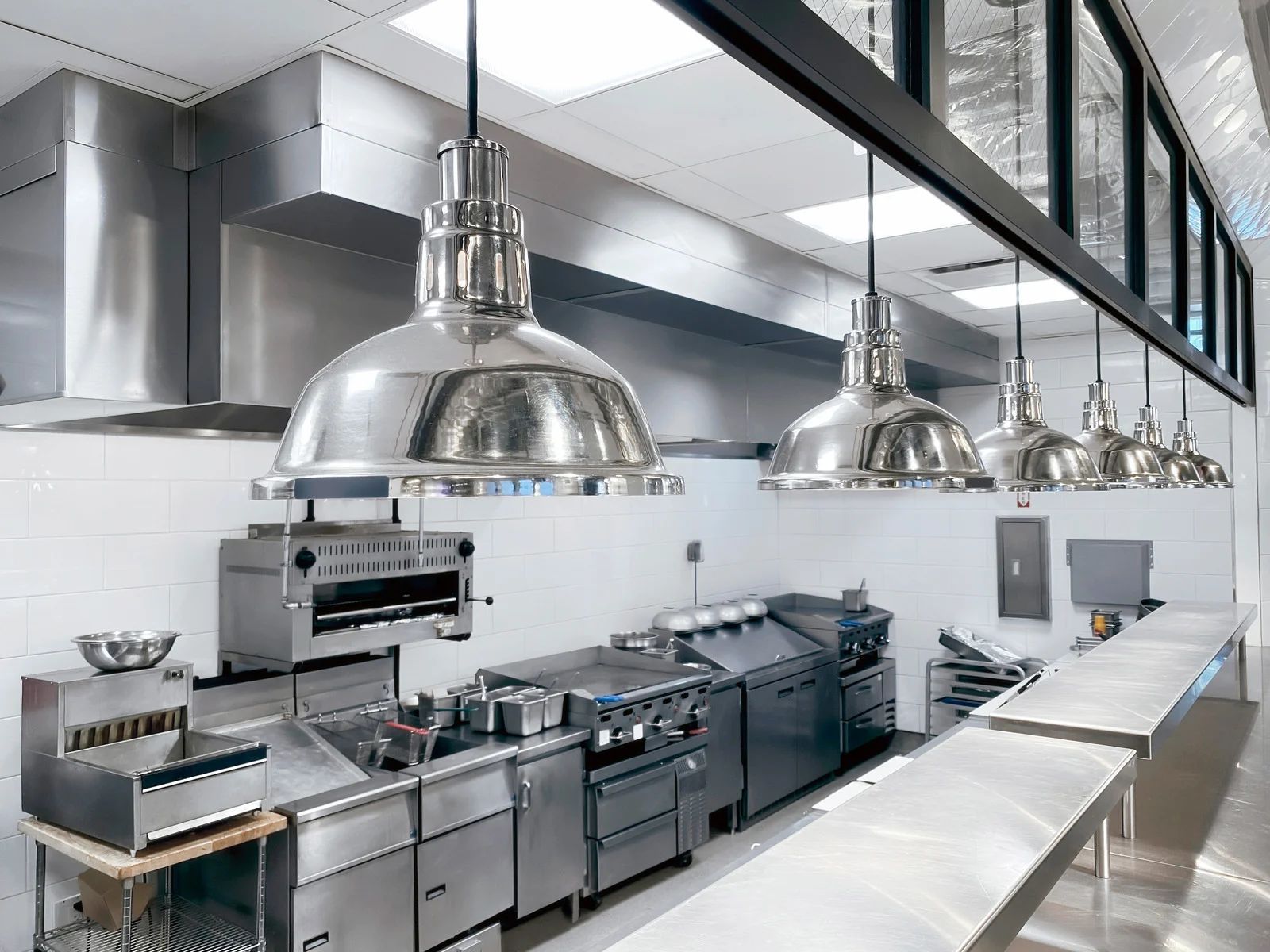
We dismantle accessible components and clean internal and external surfaces thoroughly. This ensures no residue or food particles remain that could affect sanitation standards. Every removable part is treated individually to achieve complete cleanliness, targeting hidden buildup that routine cleaning often misses and ensuring equipment meets strict hygiene expectations required during formal health inspections and operational audits.
Operational Advantages
Well-maintained equipment operates more efficiently and has a longer lifespan. Clean machinery also ensures consistent cooking results, which indirectly supports compliance with food safety expectations during inspections. Improved performance reduces breakdown risks, minimizes downtime, and supports smoother kitchen workflows, allowing staff to maintain productivity while consistently meeting hygiene standards required in regulated food service environments.
Ventilation and Exhaust System Sanitation
Role of Air Systems in Inspections
Ventilation systems are critical inspection points due to their tendency to accumulate grease and airborne contaminants. Poor maintenance in these areas often leads to serious violations. Inspectors closely evaluate airflow efficiency, cleanliness, and fire risk factors, making proper maintenance essential for maintaining compliance and ensuring safe kitchen operation under regulatory standards.
Exhaust Hood and Duct Cleaning
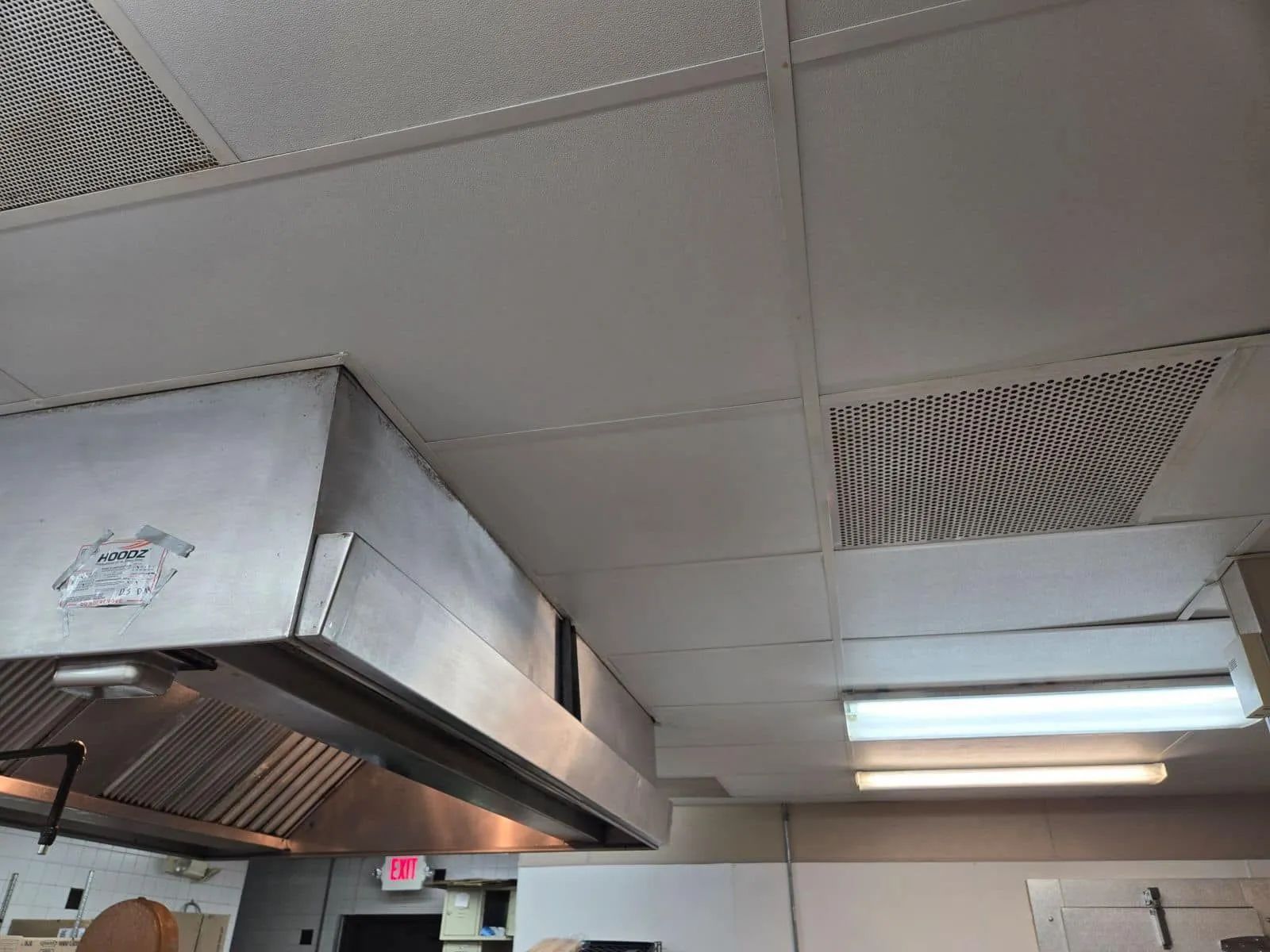
We clean exhaust hoods, filters, and ductwork to remove grease deposits and improve airflow efficiency. This reduces fire hazards and enhances overall kitchen hygiene conditions. Thorough cleaning ensures that trapped contaminants do not circulate back into food preparation areas, supporting safer cooking environments and strengthening compliance with strict inspection requirements for commercial kitchens.
Air Quality Improvements
Clean ventilation systems improve indoor air quality, reducing smoke and odor buildup. This creates a healthier working environment and supports compliance with occupational safety standards. Improved airflow enhances staff comfort, reduces fatigue, and ensures that kitchens operate efficiently even during peak hours while maintaining strong hygiene performance for inspection readiness and regulatory approval.
Floor, Drain, and Hidden Area Sanitization
Overlooked Risk Zones
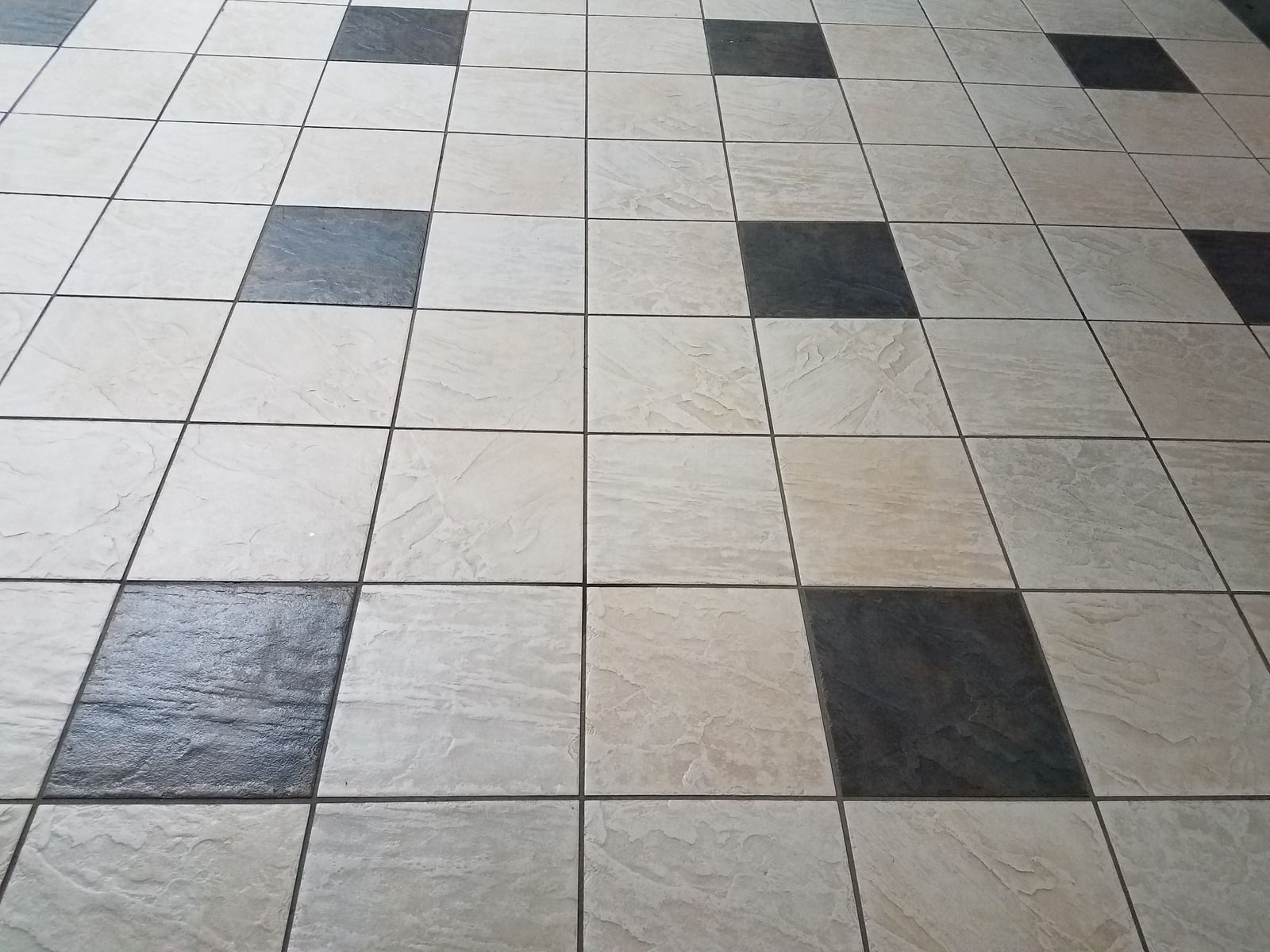
Floors, drains, and corners often harbor bacteria, food debris, and moisture buildup. These areas are frequently scrutinized during inspections due to their high contamination risk. Neglecting these spaces can lead to hygiene violations, pest issues, and unpleasant odors that negatively impact both inspection results and overall kitchen sanitation performance over time.
Intensive Cleaning Methodology
We perform deep scrubbing, disinfecting, and pressure cleaning where required. Drains are cleared of buildup to prevent odor issues and microbial growth. Each surface is treated with appropriate cleaning agents designed to eliminate bacteria and residue, ensuring compliance with hygiene standards and reducing the likelihood of contamination spreading across kitchen preparation and storage areas.
Long-Term Hygiene Stability
Consistent sanitation of hidden areas prevents pest infestations and foul odors. This ensures kitchens maintain a stable hygiene baseline between inspections. Regular deep cleaning supports long-term cleanliness, reduces emergency maintenance needs, and helps maintain a consistently safe environment that aligns with health regulations and supports smooth inspection outcomes without unexpected compliance issues.
Inspection Readiness and Preventive Maintenance Strategy
Proactive Cleaning Scheduling
Instead of reactive cleaning after violations, we implement preventive deep cleaning schedules. This ensures kitchens remain continuously prepared for inspections. Scheduled maintenance reduces last-minute pressure, allows better resource planning, and ensures that cleanliness standards are consistently maintained across all operational areas without interruption or compliance risks during unexpected inspections.
Mock Inspection Support
We assess kitchen conditions using inspection-style evaluations. This helps identify potential issues before official inspectors arrive, reducing compliance risks. Each assessment focuses on identifying hidden problems, sanitation gaps, and operational weaknesses, allowing corrective actions to be taken early and ensuring kitchens consistently meet required hygiene standards for regulatory approval and operational confidence.
Confidence in Compliance
With structured cleaning systems in place, kitchens maintain readiness at all times. This eliminates last-minute cleaning pressure and ensures consistent inspection performance. Continuous monitoring and preventive strategies help maintain high sanitation standards, reduce operational stress, and ensure kitchens remain fully prepared for inspections under all regulatory and industry conditions.
Trusted Kitchen Cleaning Experts Ensuring Inspection Readiness
Deep kitchen cleaning plays a critical role in ensuring inspection success, reducing compliance risks, and maintaining consistent hygiene standards. By addressing grease buildup, equipment sanitation, ventilation systems, and hidden contamination zones, kitchens significantly improve their readiness for regulatory evaluations. A structured approach ensures no critical area is overlooked, creating a safer and more efficient operational environment.
Ceiling Clean International Inc.
has built a strong reputation for delivering high-standard deep kitchen cleaning solutions across Missouri and the Midwest for 45
years. With decades of industry experience, our work reflects precision, reliability, and a deep understanding of inspection requirements. We focus on helping food service establishments maintain compliance confidence through structured cleaning systems designed for demanding commercial environments. Our commitment ensures kitchens remain inspection-ready, operationally efficient, and aligned with evolving health and safety standards at all times.