
How Deep Kitchen Cleaning Extends Equipment Life and Prevents Shutdowns?
Deep kitchen cleaning plays a critical role in maintaining operational efficiency and safety in commercial food environments. Beyond surface-level hygiene, it focuses on eliminating grease buildup, carbon deposits, hidden contaminants, and microbial growth that accumulate in hard-to-reach areas of kitchen equipment. In fast-paced food service operations, even minor neglect can lead to equipment strain, reduced performance, and unexpected breakdowns that disrupt workflow and increase operational costs. Regular deep cleaning ensures that appliances continue to function at optimal levels while maintaining compliance with health and safety standards. It also helps kitchens consistently pass inspections by meeting strict hygiene requirements set by regulatory authorities. Proper sanitation reduces the risk of pest attraction, foul odors, and unsafe working conditions. A cleaner environment also improves staff efficiency, as workers can operate in a safer and more organized workspace. Over time, this contributes to smoother daily operations and strengthens overall customer trust in food quality and kitchen professionalism.
In modern kitchens, where ovens, fryers, grills, exhaust systems, and refrigeration units run continuously, the impact of residue buildup is often underestimated. Over time, this buildup affects heat transfer efficiency, airflow, and mechanical components, resulting in higher energy consumption and frequent maintenance issues. Deep cleaning is not just a maintenance task; it is a preventive strategy that protects investments, extends equipment lifespan, and minimizes the risk of sudden shutdowns that can halt business operations and damage reputation. It also supports better energy efficiency by allowing equipment to operate without unnecessary strain caused by grease and carbon layers. Reduced strain on components leads to fewer repairs and lower long-term operating costs. Consistent deep cleaning also improves overall reliability during peak service hours when equipment demand is highest. Ultimately, it ensures smoother workflow, better performance consistency, and a more sustainable approach to managing commercial kitchen operations.
1. Grease and Residue Control: Protecting Core Equipment Efficiency
How buildup impacts performance
Grease buildup is one of the leading causes of performance decline in commercial kitchen equipment. When grease coats heating elements, burners, and internal surfaces, it forms an insulating layer that forces machines to work harder to reach required cooking temperatures. This results in uneven cooking, slower processing, and higher energy consumption. Over time, continuous strain increases wear on heating components and reduces overall efficiency, disrupting kitchen operations and lowering staff productivity in high-demand food service environments that depend on consistent output daily consistently daily.
Preventing long-term damage
Routine deep cleaning effectively removes hardened grease layers that daily wiping cannot eliminate. This process prevents corrosion of metal parts and significantly reduces overheating risks in commercial kitchen equipment. Clean components maintain proper thermal balance, allowing machines to operate within safe temperature limits and avoid premature failure. It also ensures consistent performance, decreases repair frequency, and supports long-term reliability of essential kitchen systems. Ultimately, it lowers maintenance costs and prevents unexpected disruptions in continuous food production workflows across busy kitchens and operations daily efficiency.
2. Heat Transfer Optimization and Energy Efficiency
Maintaining proper thermal performance
Kitchen equipment such as ovens, grills, and fryers relies on efficient heat transfer to function effectively. When carbon deposits and grease accumulate on heating surfaces, heat distribution becomes uneven and less reliable. As a result, systems consume more energy to compensate for reduced efficiency, leading to inconsistent cooking results, longer operating cycles, and added strain on internal components. Over time, this decreases productivity and creates operational challenges in busy commercial kitchen environments that require consistent output and precise temperature control throughout service hours.
Operational cost reduction
Deep cleaning restores heat efficiency by removing insulating grease and residue that hinder performance. This improves energy utilization across kitchen equipment and helps significantly reduce utility costs. Equipment that heats properly also minimizes cooking inconsistencies, improving food quality while reducing waste caused by overcooking or undercooking. Over time, these efficiency gains contribute to lower operational expenses, better resource management, and improved kitchen output, allowing food service operations to maintain profitability while ensuring consistent product quality and smoother workflow across daily production schedules, overall efficiency.
3. Ventilation Systems and Airflow Management
Preventing fire hazards and shutdowns
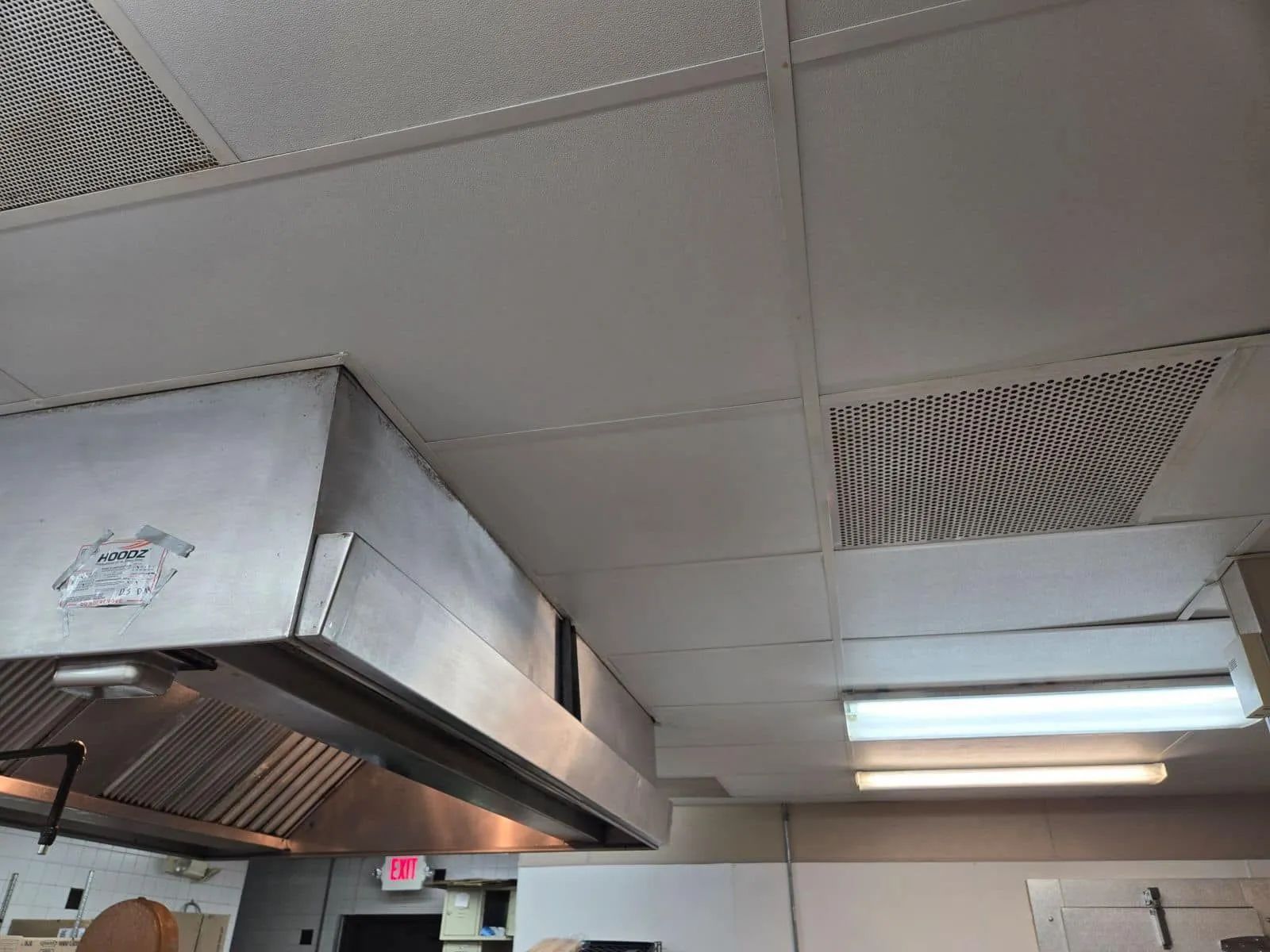
Blocked ventilation systems are a leading cause of kitchen fires and emergency shutdowns. Deep cleaning ensures that grease does not accumulate in ducts or fans, maintaining safe airflow and significantly reducing fire risks. Clean ventilation systems also support compliance with safety regulations and inspection standards. It helps maintain consistent air circulation, reduces overheating risks, and ensures uninterrupted kitchen operations, which is essential for protecting staff safety, preserving equipment integrity, and avoiding costly operational interruptions in busy commercial kitchens and maintaining overall kitchen safety compliance.
4. Equipment Longevity and Reduced Wear and Tear
Extending mechanical lifespan
Continuous exposure to grease, moisture, and food particles accelerates wear on motors, seals, and moving parts in commercial kitchen equipment. Deep cleaning reduces friction and contamination, allowing mechanical components to function more smoothly and efficiently. This helps maintain operational stability, prevents early degradation of essential parts, and ensures that equipment continues to perform efficiently under heavy usage conditions commonly found in commercial kitchens that operate for long hours and depend on consistent mechanical reliability for daily production demands across the daily kitchen operations workflow consistently.
Avoiding premature replacements
Well-maintained kitchen equipment experiences fewer breakdowns and requires fewer part replacements over time. Regular deep cleaning helps preserve structural integrity, reducing the need for costly capital investments in new machinery. This long-term preservation supports stable operational budgeting, improves asset utilization, and enhances overall kitchen efficiency. It also ensures that businesses can focus resources on growth and service quality instead of unexpected equipment failures or expensive replacements that disrupt operational continuity and financial planning processes, leading to improved long term financial stability and performance outcomes.
5. Preventing Unplanned Downtime and Operational Disruptions
The cost of sudden breakdowns
Unplanned equipment failure can halt kitchen operations instantly. This leads to lost revenue, delayed service, and customer dissatisfaction. Many of these failures are directly linked to neglected cleanliness and accumulated grease and residue that place excessive strain on equipment systems. Such breakdowns often occur during peak hours, creating significant operational pressure, reducing service efficiency, and damaging customer trust while increasing emergency repair costs and disrupting overall workflow consistency in high-demand food service environments, ultimately affecting profitability, efficiency, and long-term business stability overall performance.
Building preventive maintenance routines
Deep cleaning acts as a preventive measure that identifies early signs of wear, leaks, or malfunctions in kitchen equipment. Addressing these issues early reduces emergency repair situations and costly downtime. A structured cleaning schedule ensures that equipment remains reliable during peak business hours. It also improves operational predictability, reduces stress on staff, enhances workflow efficiency, and supports long-term equipment stability by minimizing unexpected disruptions that can negatively impact service quality, productivity, and overall business performance in competitive environments, ensuring consistent operational excellence and reliability.
6. Food Safety Compliance and Quality Assurance
Maintaining hygiene standards
Deep cleaning eliminates bacteria, mold, and cross-contamination risks that may develop in hidden kitchen areas. This is essential for maintaining food safety standards and passing health inspections. It also ensures that all surfaces, vents, and equipment components remain free from harmful buildup that could compromise hygiene. Consistent cleaning practices support regulatory compliance, significantly reduce contamination risks, and help maintain a safe environment for food preparation and handling across all operational areas within the kitchen, ensuring consistent compliance with industry hygiene and safety requirements standards.
Protecting brand reputation
Clean equipment directly influences food quality in commercial kitchens. Residue buildup can alter the taste, smell, and presentation of food items. Maintaining strict hygiene ensures consistent product quality, which strengthens customer trust and supports long-term business credibility. It also reinforces operational professionalism, enhances customer satisfaction, and contributes to repeat business. A strong focus on cleanliness reflects commitment to excellence, helping establishments maintain a positive reputation in the market while ensuring consistent delivery of high-quality food experiences across all service interactions and sustained brand reputation growth.
Certified Ceiling Clean International Inc Preventive Strategies Focus
Deep kitchen cleaning directly impacts equipment performance, safety, and operational continuity. It prevents grease buildup, improves energy efficiency, extends equipment lifespan, and reduces the risk of unexpected shutdowns. Consistent cleaning practices ensure compliance with hygiene standards while supporting long-term cost savings and reliable kitchen operations. Prioritizing deep cleaning is a proactive investment in both safety and productivity.
Ceiling Clean International Inc., across Missouri and the Midwest, brings 45
years of industry expertise in delivering advanced kitchen cleaning solutions. We focus on maintaining high-performance environments through precision cleaning systems that safeguard equipment, reduce downtime risks, and support long-term operational excellence for commercial kitchens of all scales.